Who qualifies for free tuition under RA 10931 in SUCs and LUCs, who doesn't, what fees are covered, and how TES and student loans help private school students.

Mariano Luiz King · PrepPH Founder
Published October 22, 2026
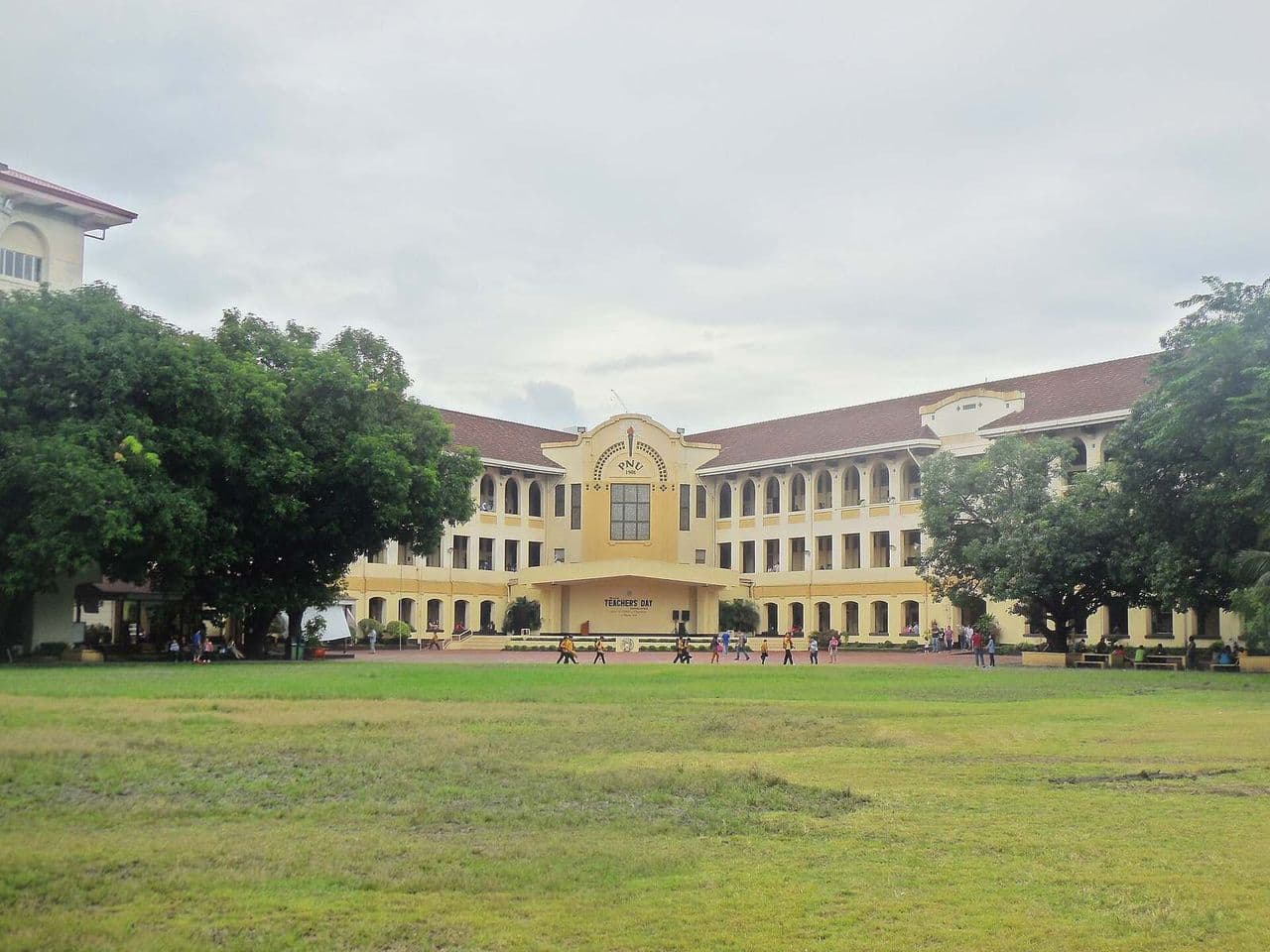
Yes, college can be free in the Philippines. Under Republic Act 10931, Filipino students in state and local public colleges don't pay tuition or most school fees. But not everyone qualifies, and the rules are easy to misread.
After reading this, you'll know if you qualify for free tuition, what it covers, and what help exists if you go to a private school.
Where this comes from: This is based on the text of RA 10931 itself. I'm not a lawyer, and each school applies the law through its own rules and CHED guidelines. Check with your school's admissions or registrar's office for your case. Details are as of October 2026.
RA 10931 is the "Universal Access to Quality Tertiary Education Act," signed in 2017. People usually call it the Free Tuition Law or Free College Law.
It created four programs:
For an LUC to be covered, it has to follow CHED's policies and standards. Not every local college qualifies. Check UniFAST's list of RA 10931 participating schools (filter by HEI type), or ask your LUC directly.
Under Section 4, you qualify if you:
That's it. There's no family income limit for free tuition in SUCs and LUCs. A student from a high-income family qualifies the same way, though they can choose to opt out (more below).
The catch is getting in. Entrance tests like the UPCAT, PUPCET, and PLMAT are competitive, partly because these schools are free.
Section 6 lists three cases where you lose free tuition in an SUC or LUC:
If you don't qualify, you pay the fees set by the school's board.
Section 4 covers tuition and "other school fees" for the units you enroll in. Section 3(h) defines "other school fees" as these:
What's not covered: your living costs. Rent, food, transport, books, and a laptop aren't part of free tuition. For many students, these cost more than tuition did. That's where TES comes in.
If your family can afford to pay, you can choose to opt out of free tuition or contribute to your school. It's voluntary. The law also makes it illegal for a school to charge you fees you're exempt from, and gives penalties for doing so (Sections 11 and 12).
Section 5 makes tuition free for Filipino students in technical-vocational certificate or diploma programs at state-run TVIs (technical-vocational institutions) registered with TESDA.
You lose it if you already have a bachelor's degree or a certificate at National Certificate III (NC III) level or higher, or if you fail a course.
The Tertiary Education Subsidy (TES) is a grant, not a loan. It's open to Filipino students in SUCs, LUCs, private colleges, and TVIs.
It can cover:
That's what the law allows. In practice, UniFAST gives a fixed amount per academic year. As of October 2026, UniFAST's TES page lists:
| Who | TES grant |
|---|---|
| Students in SUCs and LUCs | ₱20,000 per academic year |
| Students in private colleges (PHEIs) | ₱27,000 per academic year |
| Students with disabilities (TES-3A) | ₱10,000 per academic year |
| First-time board or licensure exam takers (TES-3B) | ₱8,000, one-time reimbursement |
These amounts have applied since fiscal year 2023, and they're "subject to prioritization and the availability of funds."
Who gets priority (AY 2026-2027): first, students from households in the DSWD's Listahanan (its list of poor households), or the 4Ps list if Listahanan is discontinued, ranked by per capita household income. Next are students who are dependents of active solo parents or members of Indigenous Peoples communities.
How to apply: you don't apply to UniFAST directly. Your school's scholarship or financial aid office (often called the TES focal person) handles it. Bring your Certificate of Registration or Enrollment, plus a PWD ID if it applies to you. If you're in a private college in a town with no SUC or LUC, you also need a Certificate of Residency. Not every applicant gets TES, since funding depends on the yearly budget.
RA 10931 also set up student loans through UniFAST. You can borrow for college, and later for graduate school (including law and medicine) or for PRC board exam review.
Repayment comes out of your SSS or GSIS contributions once you earn above a set income level. So you don't pay until you're working.
| Your situation | Free tuition? |
|---|---|
| Filipino, first degree, passed an SUC's entrance exam | Yes |
| Same, but at a CHED-recognized LUC | Yes |
| Shifted courses and now in your 6th year of a 4-year course | Likely no (past the 1-year grace) |
| Already have a bachelor's, taking a second degree | No |
| At a private college | No free tuition, but you can apply for TES |
| At a state-run TESDA TVI, no NC III or degree yet | Yes, free TVET |
Apply to at least one SUC or LUC near you, even if it's not your dream school. Free tuition removes the biggest cost of college, and many SUCs are strong in specific programs.
Then plan for living costs. Look into TES, DOST-SEI scholarships, and your LGU's scholarship program, since free tuition alone may not be enough.
Tuition and most school fees are free for Filipino students taking their first bachelor's degree at SUCs and CHED-recognized LUCs, under RA 10931. You still have to pass the entrance exam.
No, not for free tuition in SUCs and LUCs. Income only matters for the Tertiary Education Subsidy (TES), where poorer households get priority.
No. But private school students can apply for TES, which can cover part of tuition and living costs.
Yes, if you fail your school's retention rules, take more than one extra year to finish, or already have a bachelor's degree.