Review center or self-review for your PRC board exam? Real published prices, what each option gives you, when the law requires a refresher, and my verdict.

Mariano Luiz King
Published November 6, 2026 · Updated November 9, 2026
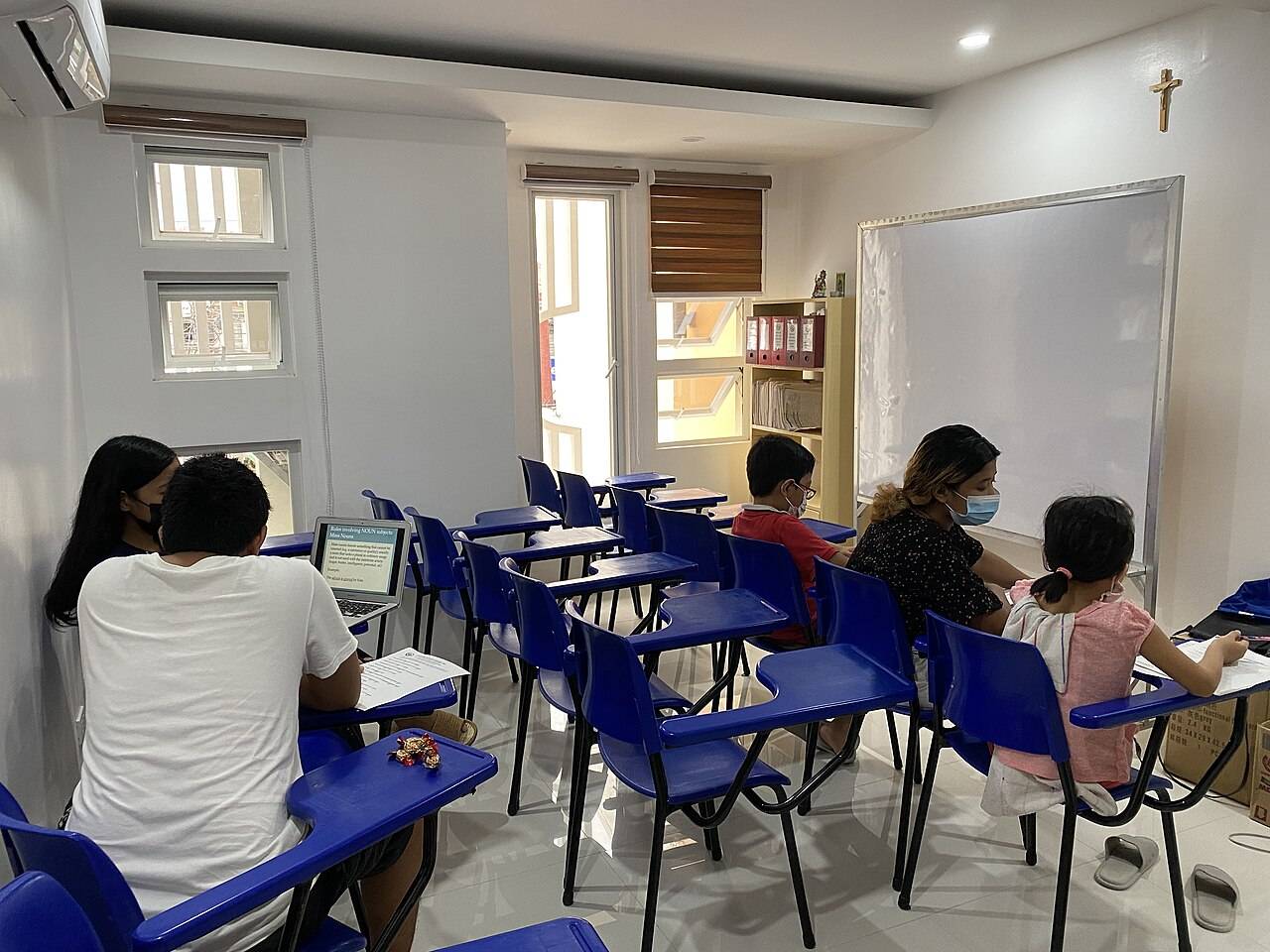
Whether you need a review center for your PRC board exam depends on two things: how well you keep yourself on schedule, and whether your profession's law requires a refresher course. Most review centers don't publish their prices, so it's hard to compare. This post uses the few prices that are published, plus PRC's rules, to compare review centers and self-review honestly, as of November 2026.
After reading this, you can decide between a review center, self-review, or a mix, and know what each will roughly cost you.
The prices come from review centers that post their own fees, and the refresher rules come from each profession's law and PRC's List of Requirements. I also built prepPH, a self-review tool, so I'm biased toward self-review. I'll try to be fair anyway, and I'll say where review centers win.
Here's the honest problem: most review centers don't publish prices. Many sites list "estimated" fees for big centers, but they often admit they couldn't verify them. I'm only listing prices I found on a provider's own page.
| Provider | What you get | Published price | Checked |
|---|---|---|---|
| CEVAS (CPALE) | Weekend group review for the October 2026 exam, 11 days from late August to early October | ₱7,950 promo (₱9,950 regular) | November 2026 |
| CEVAS (CPALE) | One-on-one, 10 sessions of 3 hours, plus sit-ins to the group class | ₱15,950 promo (₱18,950 regular) | November 2026 |
| EAA, Entrepreneurs Accounting Academy (CPALE) | Self-paced online review, 15 modules, 365 days of access | ₱3,500 | November 2026 |
One third-party guide (cpareview.ph, updated May 2026) estimates most CPA review centers at ₱6,000 to ₱16,000+, depending on the center and format. It labels its own numbers as estimates to verify, and so do I. For engineering, MedTech, and psychology boards, I couldn't find any center that posts its fees publicly.
So here's my practical advice: ask for a written quote before you enroll, and ask what's included (materials, mock exams, refresher certificate if you need one).
The tuition is rarely the full cost. Depending on where you live, a review center can also mean:
Self-review has costs too: practice materials, maybe a paid app, and the time you spend building your own plan. But you can usually study from home.
Either way, you'll pay PRC the same: ₱900 to take most exams, plus ₱1,050 to register after passing (PRC fees).
Some laws require formal review after repeated failures. This matters before you plan to skip a review center for good:
For your first attempt, no law on this list requires a review center. The full rules for 10 exams are in what happens if you fail the board exam.
Review centers win on these:
Self-review wins on these:
The catch is that you are the schedule. If you fall behind, nobody notices.
Answer honestly:
If you said yes to 1, 2, and 3, self-review can work for you. If you said no to 1 or 2, a review center (or at least a structured online course) is probably worth it. If you said yes to 4, consider the middle option below.
You don't have to pick one side.
I built prepPH, so I'm biased. It's a self-review tool: exam-style multiple choice questions organized by each board's Table of Specifications, with explanations and spaced repetition. It doesn't replace live teaching, and it won't give you a refresher course certificate if your law requires one. What it does is give you the daily practice part, which you need whether or not you join a review center. You can try the free board exam reviewers.
If you're disciplined and your budget is tight, self-review with the official coverage and lots of timed practice can be enough. If you know you won't stick to a plan alone, a review center's schedule is what you're really paying for, and it can be worth it. And if you're a repeat CPA or MedTech taker, check your law first, because a refresher course may not be optional.
Whichever you pick, start from your exam's official coverage and follow how to review for the PRC board exam.
For exam-specific prices from the centers' own pages, see the review center fees for CPA, MedTech, ChE, and Psychometrician. For a self-review verdict per exam, start with can you pass the CPA board exam with self-review?
No law requires one for your first attempt. Many people pass with self-review. A review center helps most if you need a fixed schedule or a live teacher.
CEVAS lists its October 2026 weekend group review at ₱7,950 (promo) or ₱9,950. Most other centers don't publish prices, so ask for a quote.
It can be for your first tries. But after two failed complete exams, RA 9298 requires 24 units of exam subjects before you can retake.
After three failures, RA 5527 requires a 12-month refresher course or 12 months of training in an accredited lab.
Self-paced online courses and free reviewers. For example, EAA's self-paced CPALE review is ₱3,500, and prepPH has free question sets for 10 board exams. I compare free options in Best Free PRC Board Exam Reviewer 2027.